Adelaide is hard on electrical systems in a quiet way. The summers sit on the roof for weeks. The winters are mild enough that people forget the board in the laundry. The houses, especially west of the parklands and through Unley, Norwood, Prospect and the older pockets of Glenelg, were wired in layers: cotton, then TPS, then a few extra circuits for the split system and the oven that replaced the gas. Safety here is less about a single gadget and more about noticing the house before it notices you.
This hub collects the essays we hand to readers who can smell something warm behind a powerpoint, who have a rental that still treats smoke alarms as optional décor, or who want to know whether “testing and tagging” at home is a useful habit or a bit of theatre. The through-line is simple. A safety switch is not a personality. A smoke alarm is not a negotiation. And a fault that only happens when the kettle and the toaster run together is still a fault.
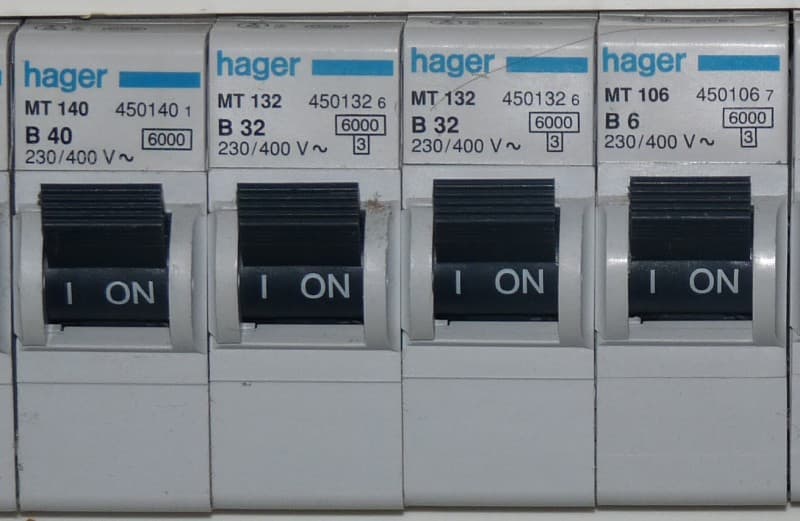
South Australia expects prescribed electrical work to be done by a licensed electrician and finished with a Certificate of Compliance. We explain that paperwork in the licensing and standards hub. What belongs here is the domestic picture: residual current devices, child-safe circuits, the difference between a nuisance trip and a real one, and the signs — discoloured plates, buzzing dimmers, lights that sag when the oven door closes — that mean you should stop using the circuit.
If you are standing in a hallway that smells like hot dust and plastic, leave. If there is smoke or flame, call 000. The rest of these pieces assume you have time to read, not a live event. Start with the warning signs of an electrical fault or safety switches in Adelaide homes. Then walk the neighbouring hubs on switchboards and storms if the weather is the other half of the story.