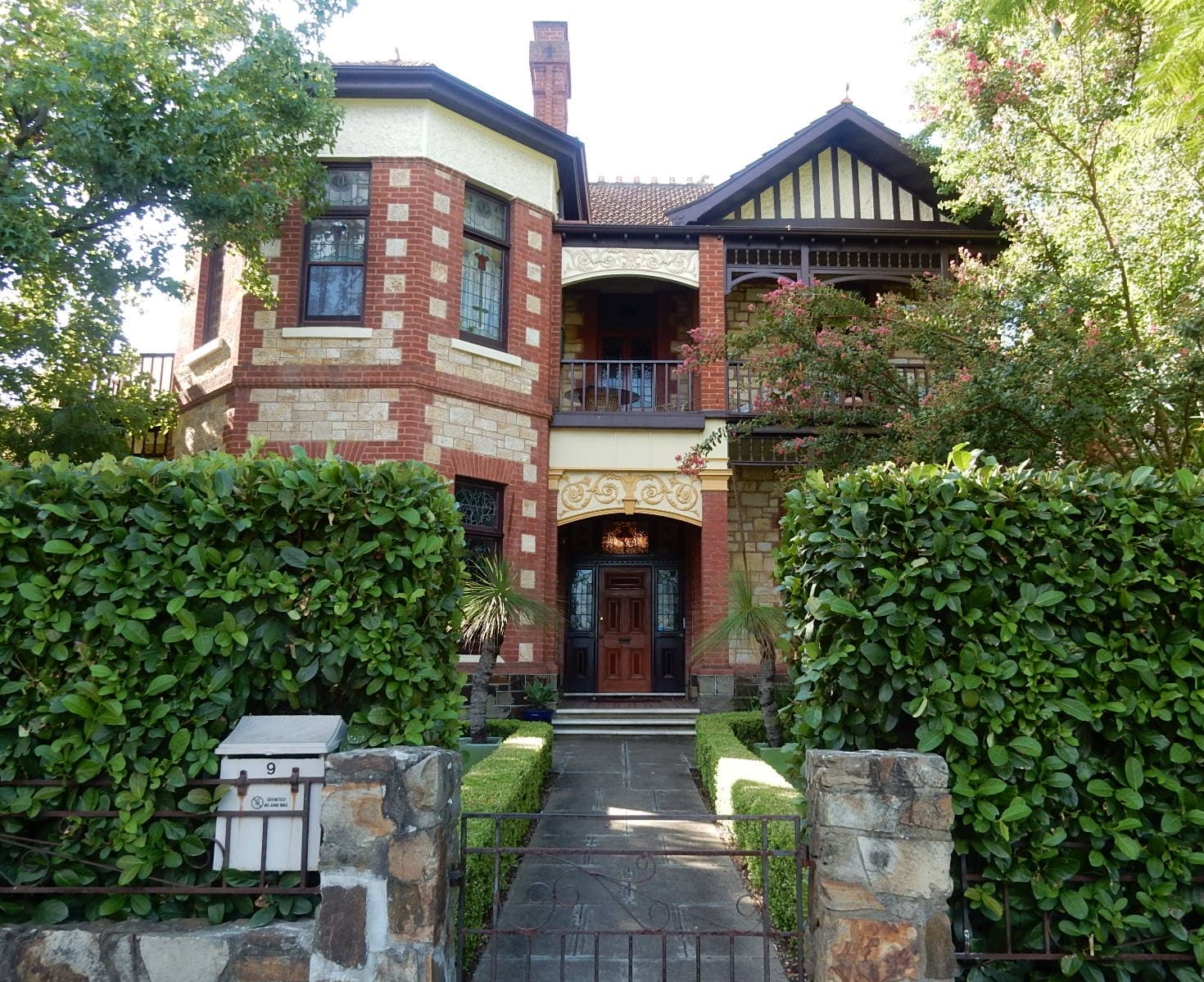
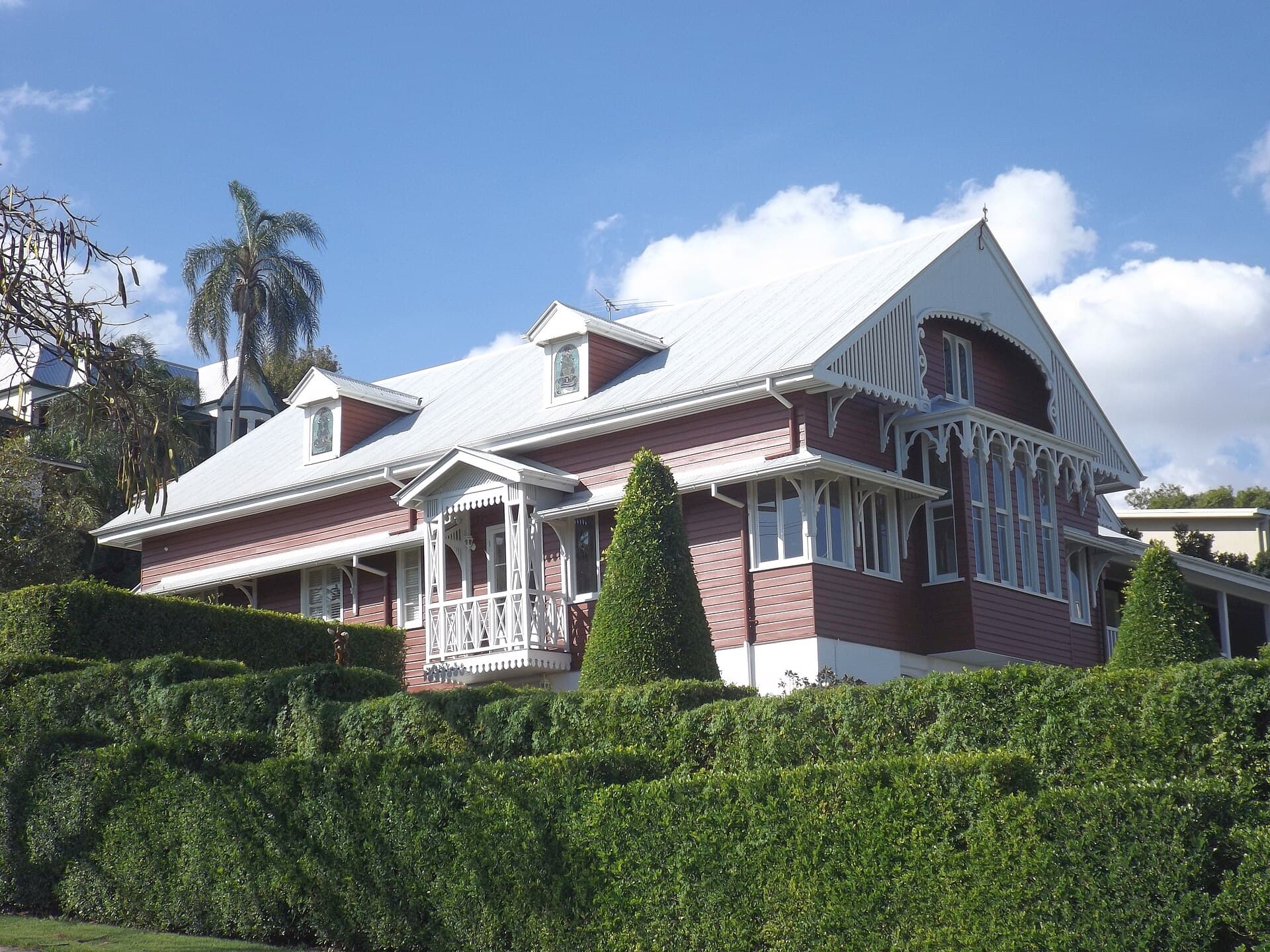
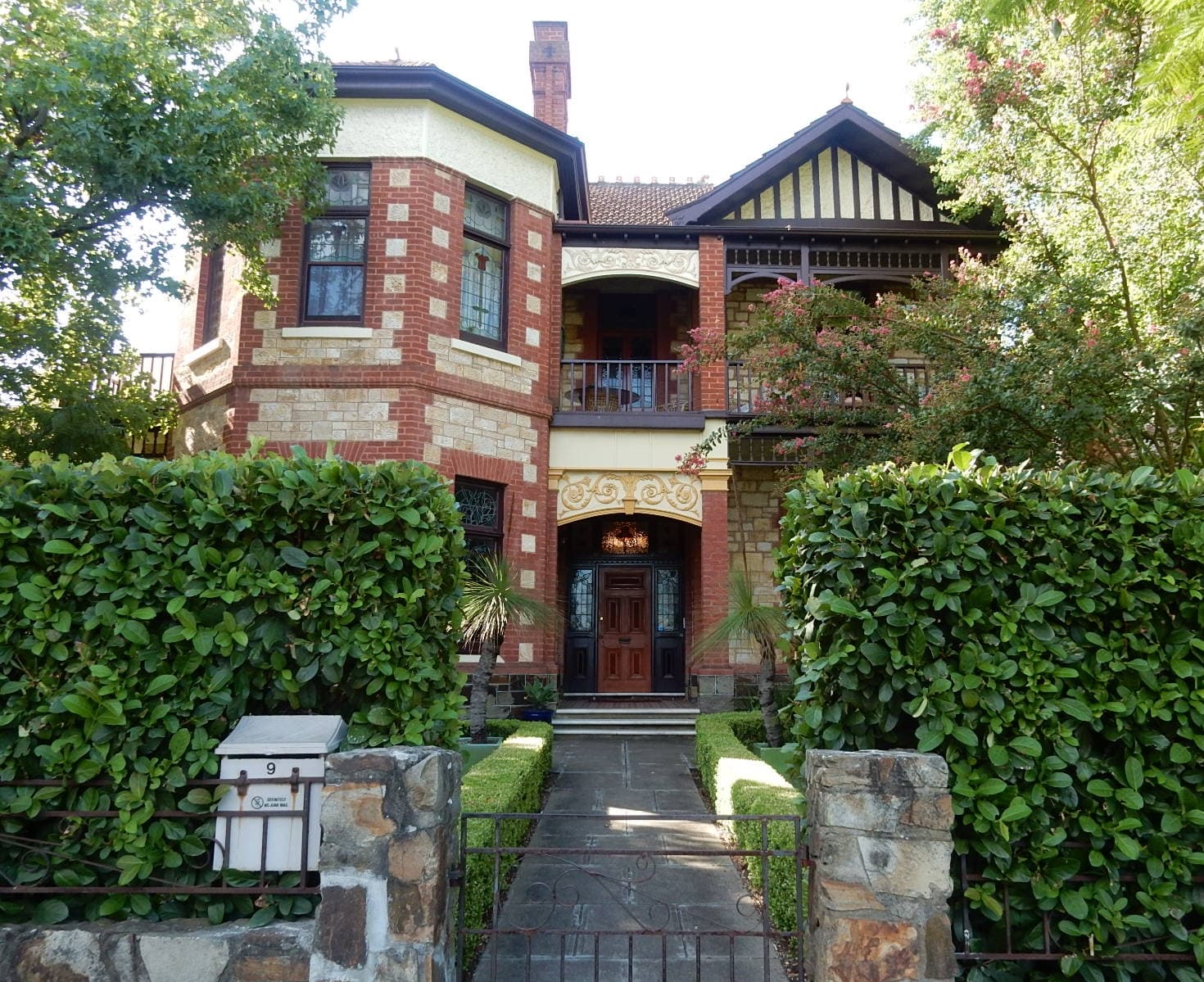
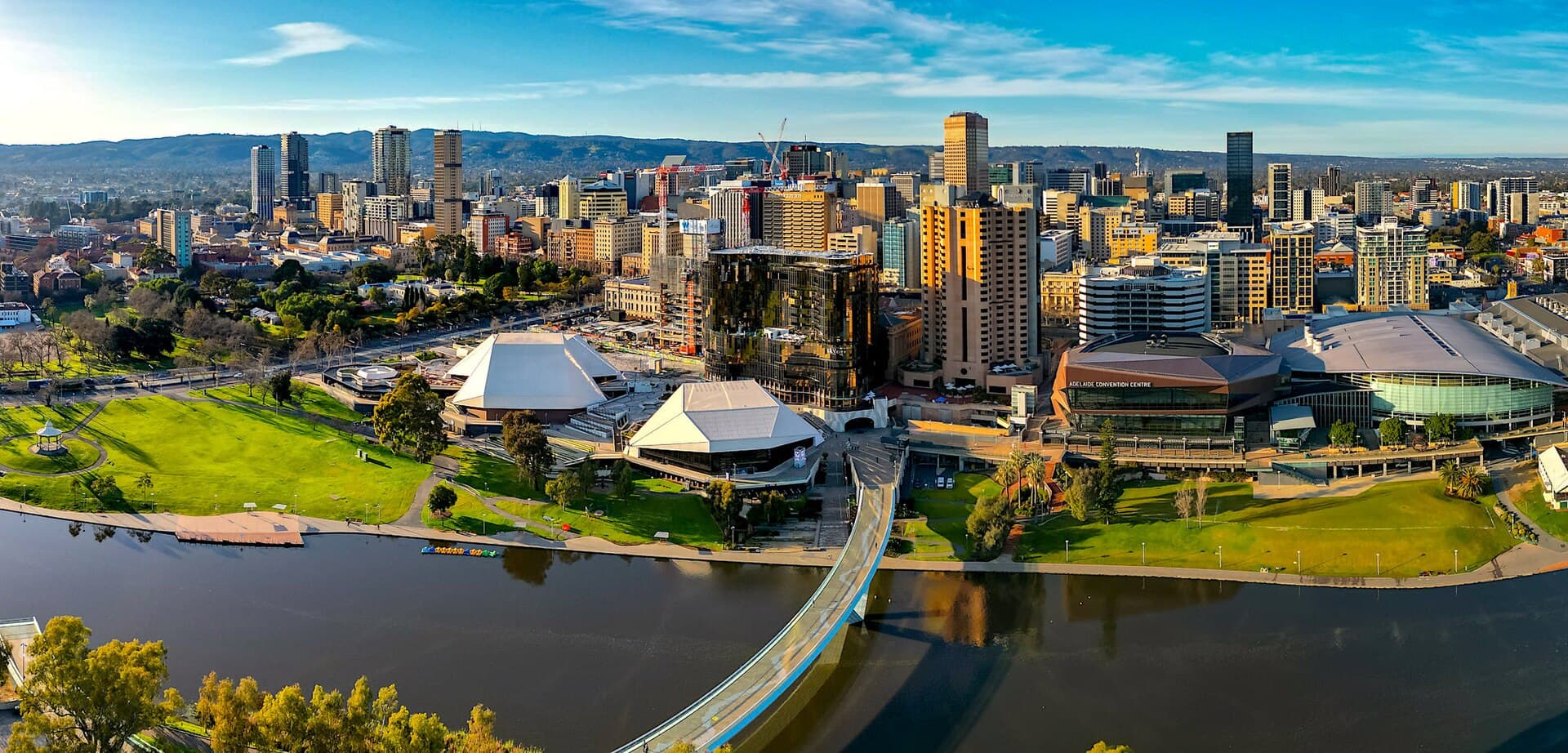
Adelaide’s houses are not a generic Australian suburb with a different football code. The inner ring is bluestone, sandstone and brick that predates thermoplastic sheathing. The middle ring is 1950s and 1960s bungalows with roof spaces that were never designed for a dozen downlights and two inverters. The Hills are another climate again: wetter winters, taller trees, and a bushfire conversation that is not theoretical. The plains bake. The gulf end rusts fittings that would last a decade in Burnside.
Readers who arrived here from a real-estate listing should also read home electrical safety and switchboards. A pretty villa with a fuse board is not a bargain. It is a sequence of invoices. We would rather you see that sequence on the page than in the first summer you own the keys.
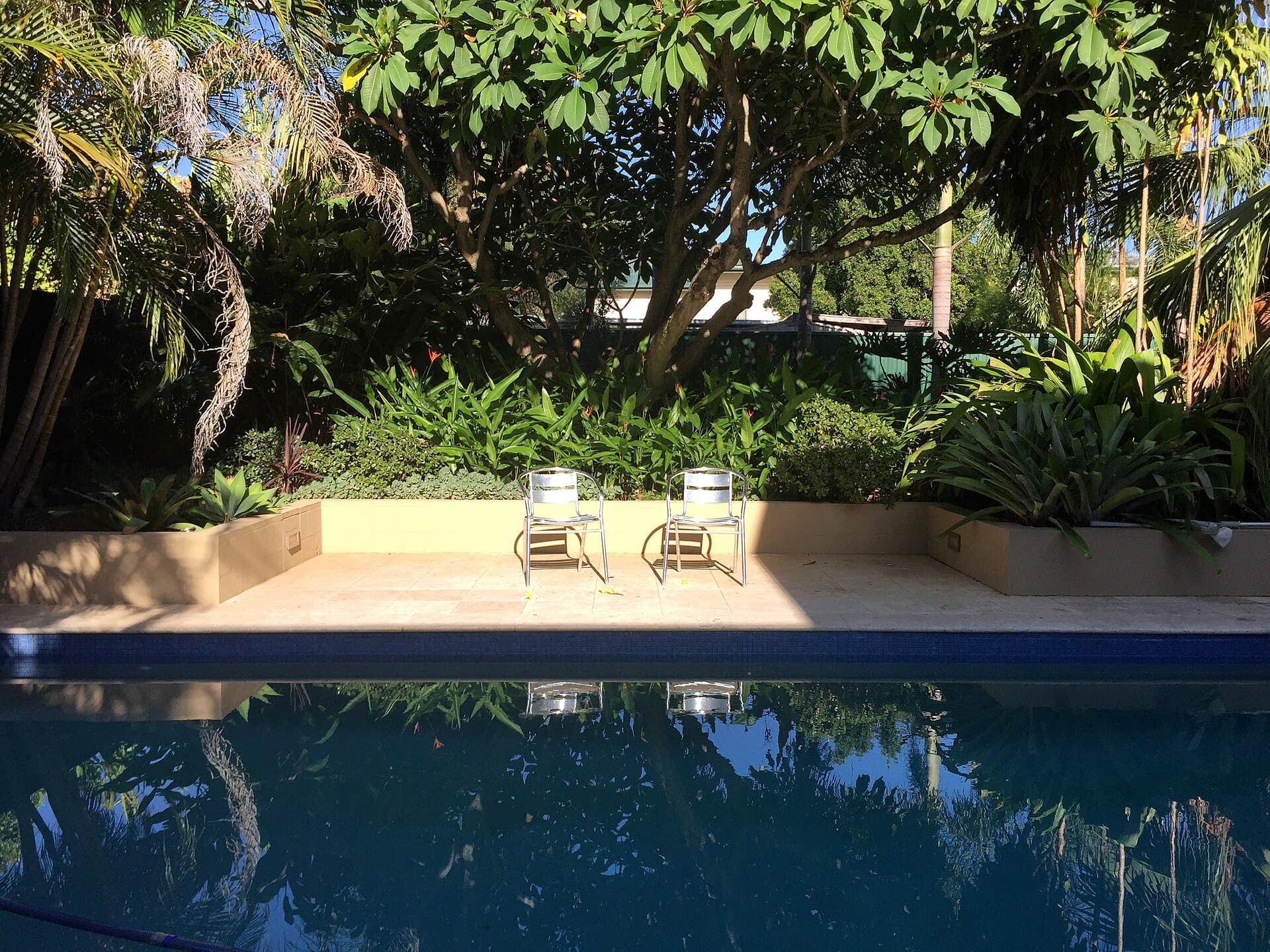
Equipotential bonding, a socket that still closes after a hot January, and a spa that is not an appliance you discovered at the hardware store. The Adelaide backyard is a wet electrical environment that happens to have vines.
A studio in the Magill backyard is a planning object and an electrical object, and the two are not the same meeting. Metering, submains, smoke alarms and load decide whether you have built a room or a second house.
A new circuit through North Adelaide bluestone or Unley sandstone is not a weekend groove. It is lime mortar, cornice plaster and a licensed electrician who isolates the board before anyone lifts a grinder.
On a plains heatwave the roof space is another climate, the air-conditioner is a starting current, and the outdoor socket that looked fine in September becomes a UV-brittle hinge. Heat is a design condition here, not a surprise.
In the Adelaide Hills the electrical conversation is not only heat and heritage. It is embers at the meter box, a generator that must not sit in the leaf litter, and a board sited for a person who may have minutes, not an afternoon.